
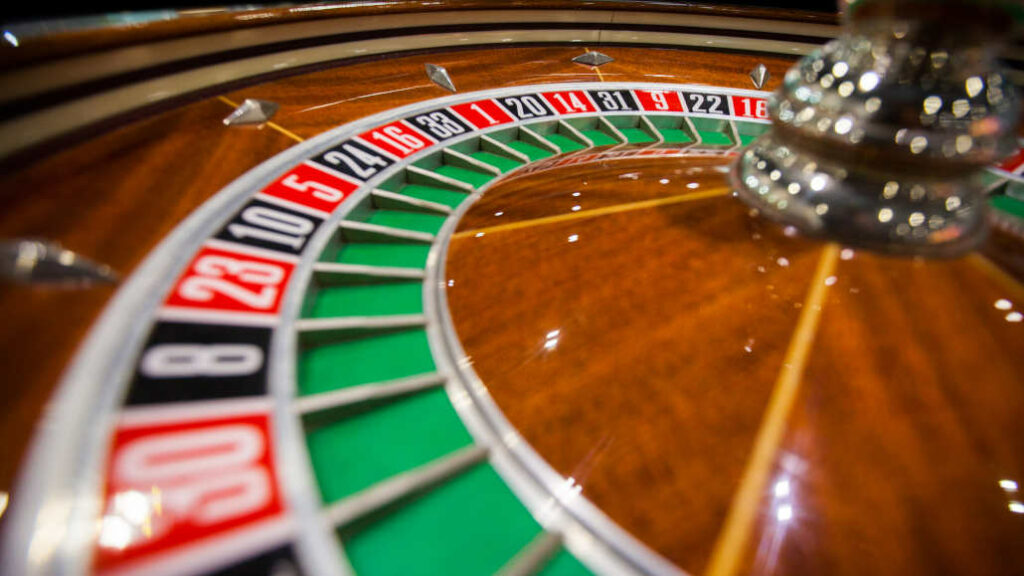
You’ve probably felt that tension on the field, much like anticipating for a wheel ball to land. Slow gameplay can turn a pleasant day of golfing into a frustrating experience, whether you’re a novice uncertain of your next shot or an experienced player overthinking every move. What if you could change the story? Understanding the underlying causes might just be the key to a more seamless game. Let’s investigate what’s really happening out there.
Key Points
- Slow play on United Kingdom golf courses can lead to extended wait periods, annoying players and affecting their overall time and pleasure.
- Novice golfers often contribute to sluggish gameplay due to challenges with club selection and understanding the guidelines of the game.
- Golf field states, such as wet or muddy fairways, can also slow down play, hindering movement durations and shot decisions.
- Social engagements, including chatting while golfing, can unintentionally cause holdups and interrupt the rhythm of the sport.
- Promoting a environment of speed through methods like ready golfing and effective communication can help mitigate slow play and decrease waiting times.
Comprehending the Reasons of Slow Gameplay on Golf Courses
Slow play on golfing courses often stems from a combination of factors, and understanding these can assist enhance your experience on the greens. One major problem is inexperienced players who may have difficulty with equipment selection or the guidelines. They often take longer to make each shot, affecting the pace for all.
Equipment selections also contribute; large carriers or employing too many sticks can slow down play. Moreover, course conditions like damp or muddy paths can lead to extended travel durations.
Lastly, teams competing together can inadvertently cause delays, especially if they don’t coordinate their shots. By being mindful of these factors, you can help ensure a smoother game and appreciate your time on the course more fully.
The Impact of Slow Play on Golfers’ Experience
Golfers often find their pleasure reduced when they’re trapped in long waits on the course.
Slow play disrupts the flow, making the game less pleasurable for everyone participating. Here are three major impacts on your experience:
- Increased Frustration
- Loss of Focus
- Diminished Atmosphere
Ultimately, slow play can transform a relaxing day into a trial of patience, impacting your overall pleasure of the game. https://europeanroulettewheel.eu/
Common Myths About Slow Play
Why do so many people think that slow play is only caused by novice golfers?
It’s a common myth that only newbies slow down the game, but seasoned players can be just as culpable. You might notice that even proficient golfers can take their time, whether it’s overthinking their shots or pausing between holes.
Additionally, course conditions, like poor weather or maintenance problems, can affect pace of play. Some contend that social elements, like taking time to chat, can also add.
It’s not just about ability; it’s about how everyone approaches the game. Understanding these factors can help you realize that slow play isn’t solely linked to inexperience, resulting to a more empathetic view of fellow players on the course.
Strategies for Reducing Slow Play
To maintain the pace moving on the course, embracing a few key strategies can make a notable difference. By implementing these simple tips, you can help reduce slow play and enhance the overall experience for everyone.
- Prepare for your shot
- Limit practice swings
- Keep up with the group
Promoting a Culture of Pace of Play on the Course
Creating a culture that prioritizes pace of play can significantly enhance the overall experience on the course.
To foster this culture, you can set an example—play ready golf and urge your group to stick to the recommended time. Discuss openly about pace expectations before your round, ensuring everyone’s on the same page.
Think about using visual reminders, like signage or scorecards, emphasizing the importance of maintaining speed. When you see slower groups ahead, don’t hesitate to courteously remind them of pace guidelines.
Lastly, make it a point to acknowledge quick rounds as a team achievement. By embracing these practices, you’ll not only improve your own game but also contribute to a more enjoyable environment for everyone on the course.
Frequently Asked Questions
What Is the Average Time for a Round of Golf in the UK?
A round of golf in the UK usually takes about four hours. You might find some courses quicker or more leisurely, depending on the pace of play, course conditions, and the number of players ahead of you.
How Can Weather Conditions Affect Slow Play on Golf Courses?
Weather conditions can significantly impede play on golf courses. Rain renders the course muddy and challenging, while extreme heat can tire players. Wind affects accuracy, leading to additional strokes, which all lead to longer rounds.
Are There Specific Times When Slow Play Is More Common?
Yes, slow play’s more frequent during weekends and holidays when more golfers hit the course. Early mornings and late afternoons also experience increased traffic, making it harder to maintain a steady pace of play.
What Penalties Exist for Consistently Slow Players on the Course?
If you’re a consistently slow player, you might face penalties like warnings, time limits, or even score adjustments. Some courses may impose fines or suspension after repeated offenses, aiming to keep the game enjoyable for everyone.
How Do Different Golf Courses Handle Slow Play Situations?
Different golf courses handle slow play by enforcing time limits, utilizing marshals to monitor pace, and interacting with players. You might face warnings, fines, or in extreme cases, being asked to leave the course.
Conclusion
In conclusion, tackling slow play on UK golf courses is essential for improving everyone’s experience. By comprehending its causes and implementing strategies to improve pace, you can help create a more enjoyable environment for yourself and fellow golfers. Remember, golf should be about relaxation and enjoyment, not frustration. Let’s encourage a culture that appreciates pace of play so we can all enjoy our time on the course and keep the game running smoothly.